
Exploring the Beauty of Moroccan Mosaics
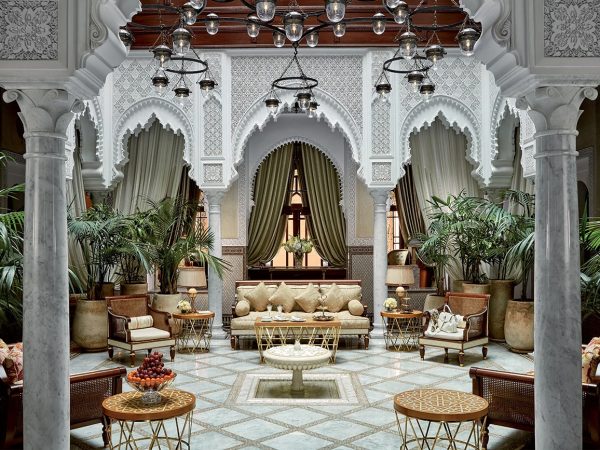
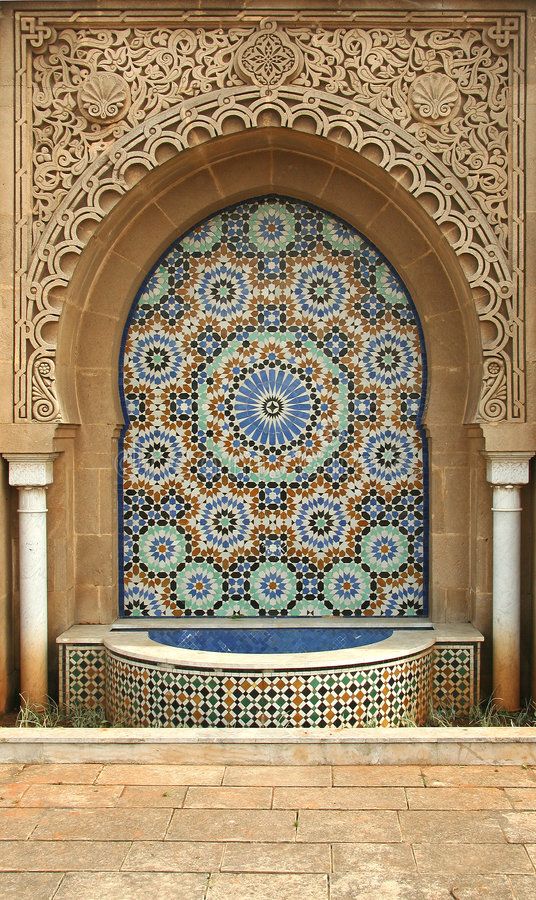
Moroccan mosaics, known for their vibrant colors and intricate patterns, are one of the most iconic features of the country’s architectural heritage. These stunning works of art, which are often referred to as zellige, have a rich history that spans centuries. They are an integral part of Moroccan culture, found in everything from palaces and mosques to fountains, courtyards, and even private homes. If you’re lucky enough to travel through Morocco, a closer look at these mosaics is a must. They are not only visually captivating but are also imbued with history, craftsmanship, and meaning.
What Are Moroccan Mosaics?
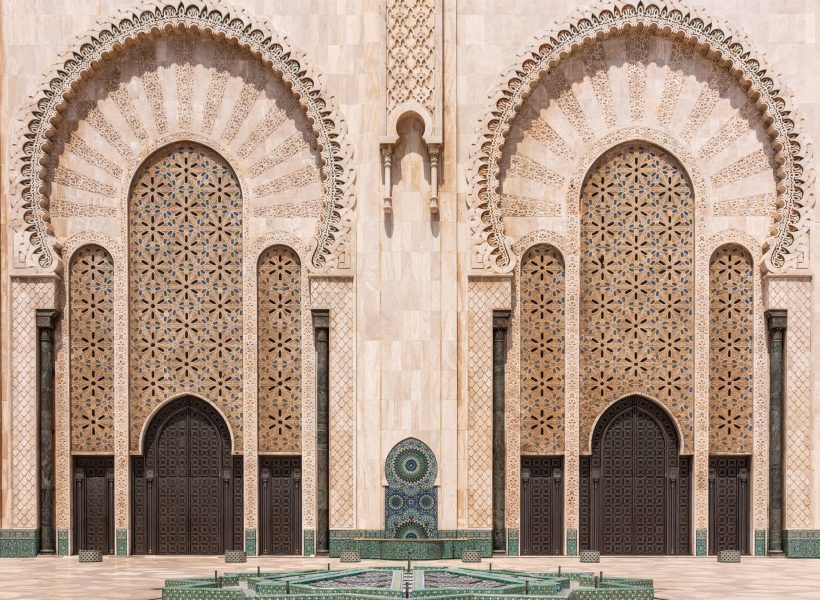
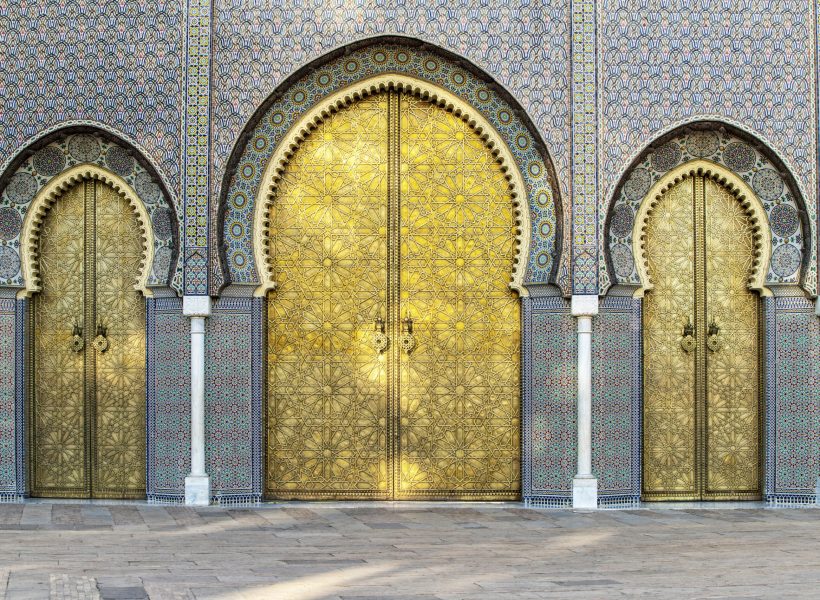
Moroccan mosaics are crafted from zellige, a type of ceramic tile that’s hand-cut into intricate geometric shapes and set into plaster or cement to form elaborate patterns. The word zellige comes from the Arabic term for “polished stone,” referring to the shiny, glazed finish of the tiles. These tiles are usually made of terracotta and glazed in vibrant colors such as cobalt blue, deep green, yellow, and white. The patterns, which range from floral motifs to complex geometric designs, are a hallmark of Moroccan artistry.
Where to See Moroccan Mosaics ?
Moroccan mosaics are everywhere, from the grandest palaces to the smallest private courtyards. Here are some must-see places where you can admire these breathtaking works of art:
The Alhambra in Fes: This ancient madrasa features stunning mosaics that showcase the intricate geometry and symbolism of Moroccan tilework.
The Bahia Palace in Marrakech: The mosaics here are some of the most beautiful in Morocco, decorating the courtyards, gardens, and fountains.
The Royal Palace of Rabat: The palace boasts impressive mosaic work that highlights the grandeur of Moroccan architecture.
The Mausoleum of Mohammed V in Rabat: This historical site combines stunning mosaics with intricate architectural elements.
The Origins and History of Moroccan Mosaics
The art of creating Moroccan mosaics dates back to the 10th century during the reign of the Almoravid dynasty. While the techniques were influenced by the Islamic tradition of tilework, Morocco’s zellige style evolved into a distinct art form, blending local influences with Islamic geometry. The intricate, abstract designs are not only beautiful but also hold symbolic significance, representing the infinite nature of the universe and the spiritual connection between the divine and earthly realms.
Over time, the tradition of zellige continued to flourish under different Moroccan dynasties. It became especially prominent in the architecture of royal palaces, mosques, and madrasas, with artisans passing down their skills through generations. The artistry involved in creating these mosaics has remained largely unchanged, and the craftsmanship is still revered to this day.


The Craftsmanship Behind Moroccan Mosaics
Creating a Moroccan mosaic is an incredibly time-consuming and labor-intensive process. Each tile is hand-cut and meticulously placed to form patterns that often require a great deal of skill and precision. The tiles are made from clay, which is shaped and fired in kilns, then glazed with colorful pigments. Afterward, artisans cut each tile into specific geometric shapes, including squares, triangles, and diamonds. These shapes are then arranged to form intricate, symmetrical patterns that require an expert level of craftsmanship.
The artisans who create these mosaics are true masters of their craft, and their work is often passed down through family traditions. Many craftsmen still work in the same traditional methods used centuries ago, and each piece reflects the dedication and passion that goes into its creation.
Symbolism in Moroccan Mosaics
The intricate patterns of Moroccan mosaics are not just aesthetically pleasing; they also carry deep symbolic meaning. Islamic art, including zellige mosaics, often avoids figurative representation and instead focuses on geometric and floral patterns. These designs symbolize the infinite nature of God and the cosmos, with shapes like stars, diamonds, and interlocking circles representing unity and eternity.
In addition to geometric designs, many mosaics feature motifs inspired by nature, such as flowers, vines, and leaves. These patterns can be seen as representations of life, growth, and the harmony between the natural world and the divine.
Moroccan mosaics are a captivating blend of art, history, and craftsmanship. From the vibrant zellige tiles that adorn public buildings and homes to the intricate geometric patterns that tell stories of spirituality and eternity, these mosaics are a testament to Morocco’s rich cultural heritage. On your travels, take the time to explore and appreciate these masterpieces, and perhaps even bring a small piece of Morocco’s artistry home with you.
Recent Post

The Magic of the Moroccan Desert
Exploring Marrakech Through Its Flavors: A Culinary Journey on the Food Tasting Tour.
Exploring the Beauty of Moroccan Mosaics
Moroccan mosaics, or zellige, are a stunning fusion of art, history, and craftsmanship, adorning everything from grand palaces to intimate courtyards.

Exploring Marrakech Through Its Flavors
Exploring Marrakech Through Its Flavors: A Culinary Journey on the Food Tasting Tour.

